From kidney injury to kidney health — mechanism, monitoring, and multicentre trials.
My work in medical research began at the intersection of endocrinology and anaesthesia — optimising the perioperative treatment of patients with diabetes mellitus, improving glycaemic control and perioperative management to improve outcomes for these high-risk patients. That line has continued since my PhD, alongside old and new collaborations. A second focus, on postoperative organ injury and in particular the renoprotective effects of GLP-1 and SGLT2 inhibition, has since grown into its own line on kidney injury: it asks one question from three angles, can we predict, detect, and prevent acute kidney injury (AKI) during major surgery and critical illness — with the long-term goal of following patients far enough to stop a short-term injury becoming chronic kidney disease (CKD).
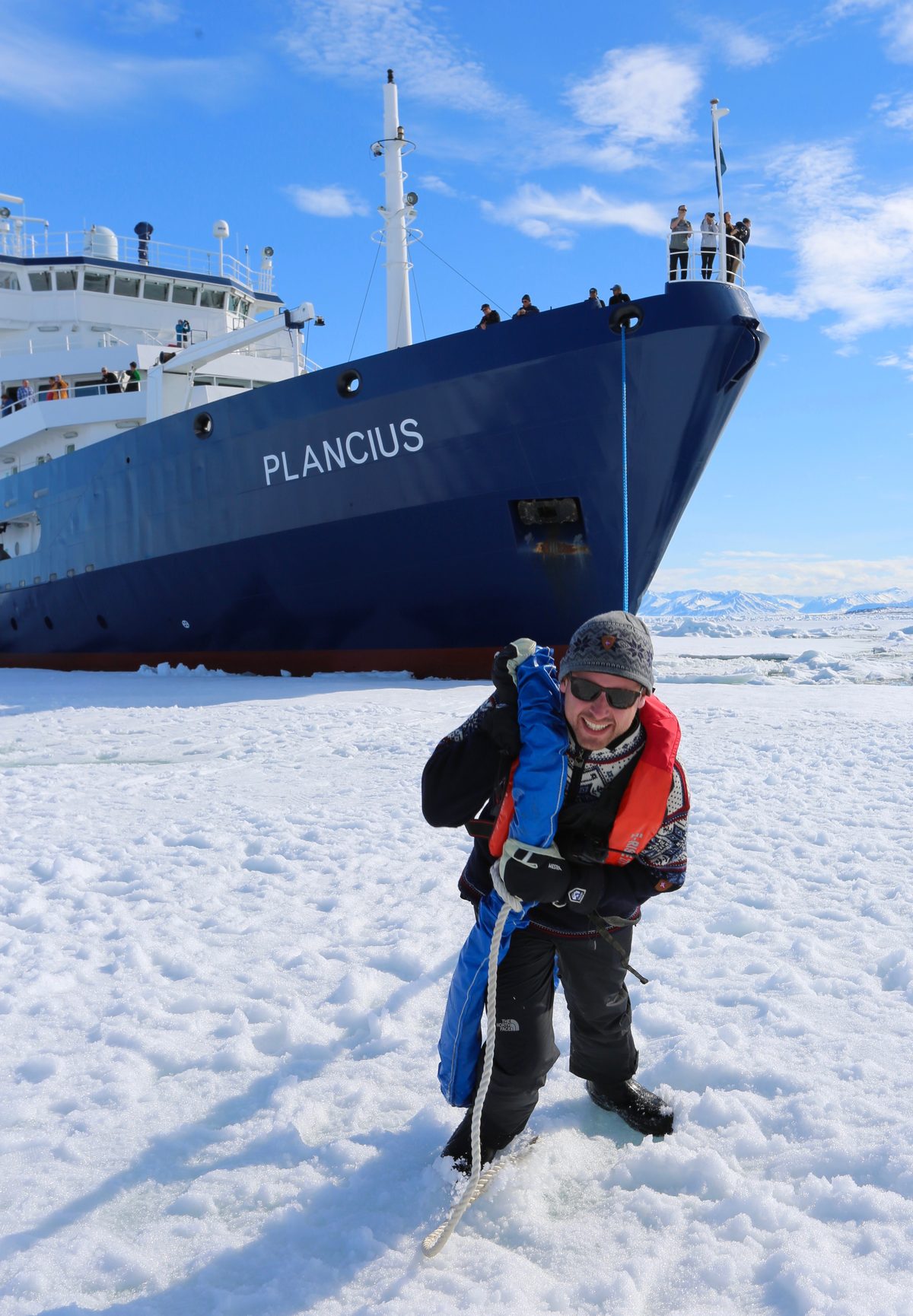
Studying the interplay of anaesthesiology, endocrinology and metabolism to reduce cardiovascular and renal complications after surgery. Upon completing medical school at KU Leuven, I began training in anaesthesiology at Amsterdam UMC, combining it with PhD research on the treatment of diabetes and perioperative glucose control. After my PhD, I continued this line of research together with my supervisors and colleagues at the department of endocrinology. Alongside this, I started developing my own independent research line, investigating the renoprotective effects of glycaemic control therapies. This grew into a research programme on the prediction, early detection, and prevention of acute kidney injury, with the long-term goal of reducing chronic kidney disease and improving overall outcomes for patients undergoing surgery.
Two research lines
Diagnosis, prevention & treatment of perioperative acute kidney injury
Earlier recognition of patients with, or at risk of, acute kidney injury (AKI), and interventions to prevent or treat it. AKI carries short-term harm — longer ICU and hospital stays, the need for renal replacement therapy, added morbidity and mortality — and, longer-term, progression toward chronic kidney disease and eventually transplantation or dialysis. Reducing its incidence or severity improves outcomes for patients and populations, and reduces healthcare costs.
Explore this research line →Perioperative glucose control & the treatment of diabetes mellitus
Glucose-lowering therapies and the optimal treatment of patients with diabetes mellitus in the perioperative period. Diabetes is one of the most common chronic conditions in the general population — it raises both the likelihood of needing surgery and the perioperative risk of complications. These high-risk patients are cared for daily by every physician working perioperatively in the Netherlands.
Explore this research line →Collaborating centres
Funding
The research programme is supported by the following grants and fellowships. Amounts, dates and reference numbers are added as they’re confirmed.
Marie Skłodowska-Curie Individual Fellowship

NWO Talent Programme

 ZonMw’s Goed Gebruik Geneesmiddelen programme is commissioned by the Dutch Ministry of Health, Welfare and Sport (VWS)
Goed Gebruik Geneesmiddelen programme

Investigator Initiated Study programme
Patient organisations


Research Career
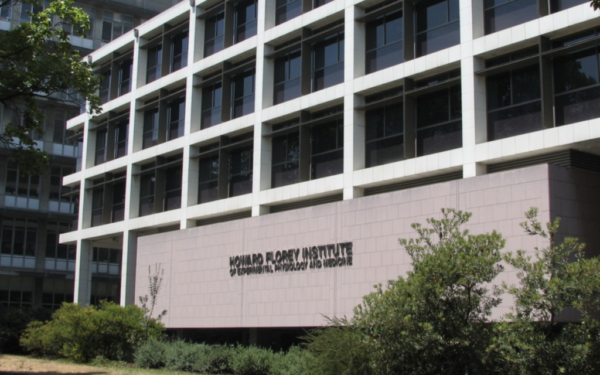
The Florey Institute
of Neuroscience and Mental Health
Melbourne, Australia
Postdoctoral Research Fellow
2020 – 2022
Graduate School
University of Amsterdam
Amsterdam, the Netherlands
PhD Candidate
2014 – 2021 Dissertation
Publications

Funding